Low back pain is one of the most common musculoskeletal issues that affects people of all ages. It can arise from poor posture, muscle strain, herniated discs, or spinal abnormalities. Sciatica is a specific type of back pain that radiates down the leg due to irritation or compression of the sciatic nerve. At Universal Physiotherapy & Rehabilitation Center, we offer targeted therapies including traction, manual therapy, TENS, ultrasound and customized exercise plans. Our approach helps in reducing inflammation, improving mobility, and restoring normal function. Pain management is combined with postural corrections and ergonomic advice to prevent recurrence. Patients experience substantial relief through a blend of electrotherapy, stretching, and strengthening exercises.
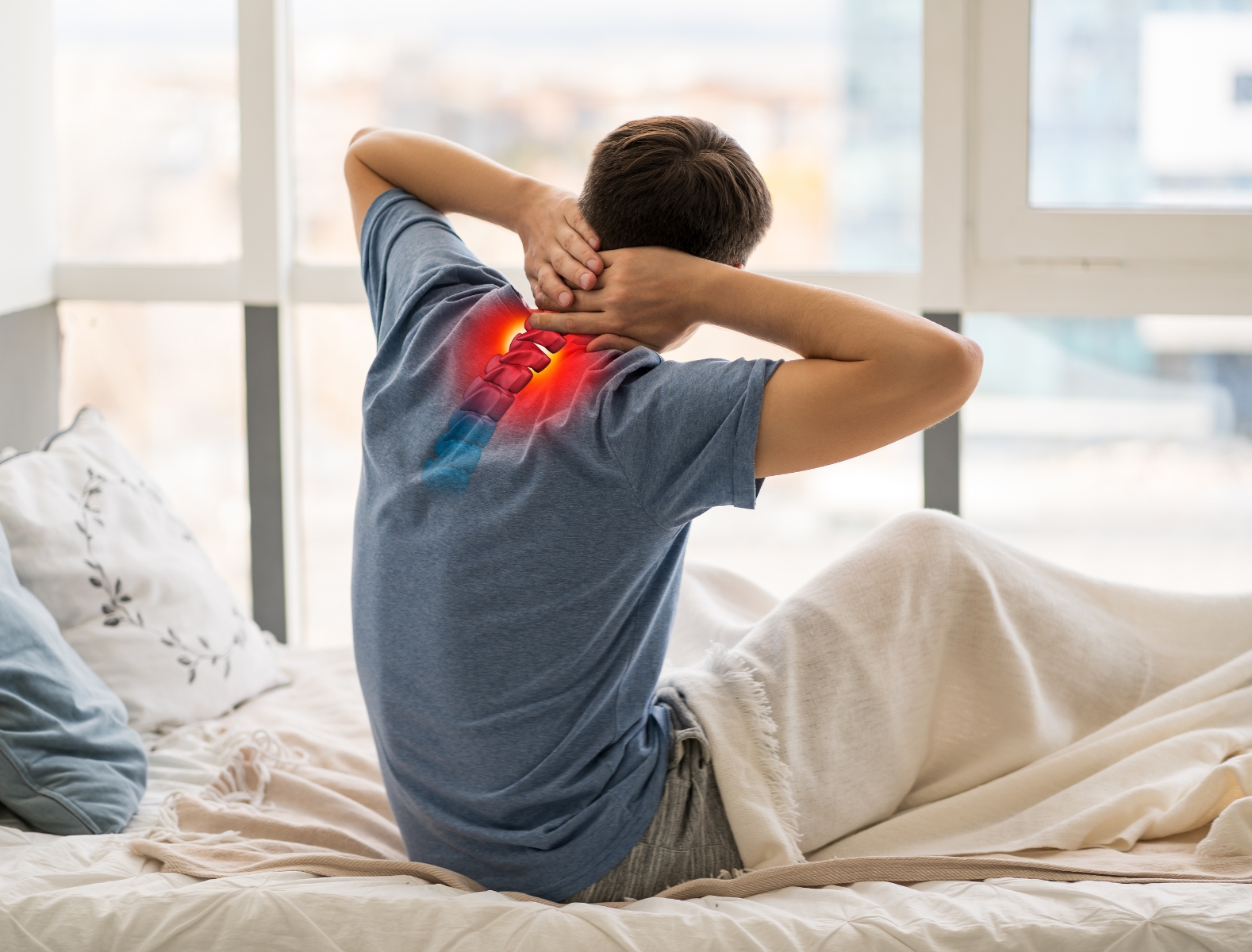
Neck pain and cervical issues are frequently caused by poor posture, prolonged screen time, muscle strain, or cervical spondylosis. These conditions can lead to stiffness, radiating pain in the arms, headaches, or dizziness. At our center, we use a combination of cervical traction, manual therapy, IFT, and postural training to ease discomfort and improve neck mobility. Personalized neck-strengthening exercises help restore function and prevent further injury. Ergonomic counseling is also offered to address workplace or lifestyle triggers. Our skilled therapists work to reduce nerve compression and inflammation with the help of electrotherapy and myofascial release techniques. For chronic cases, we offer long-term rehabilitation and maintenance plans.
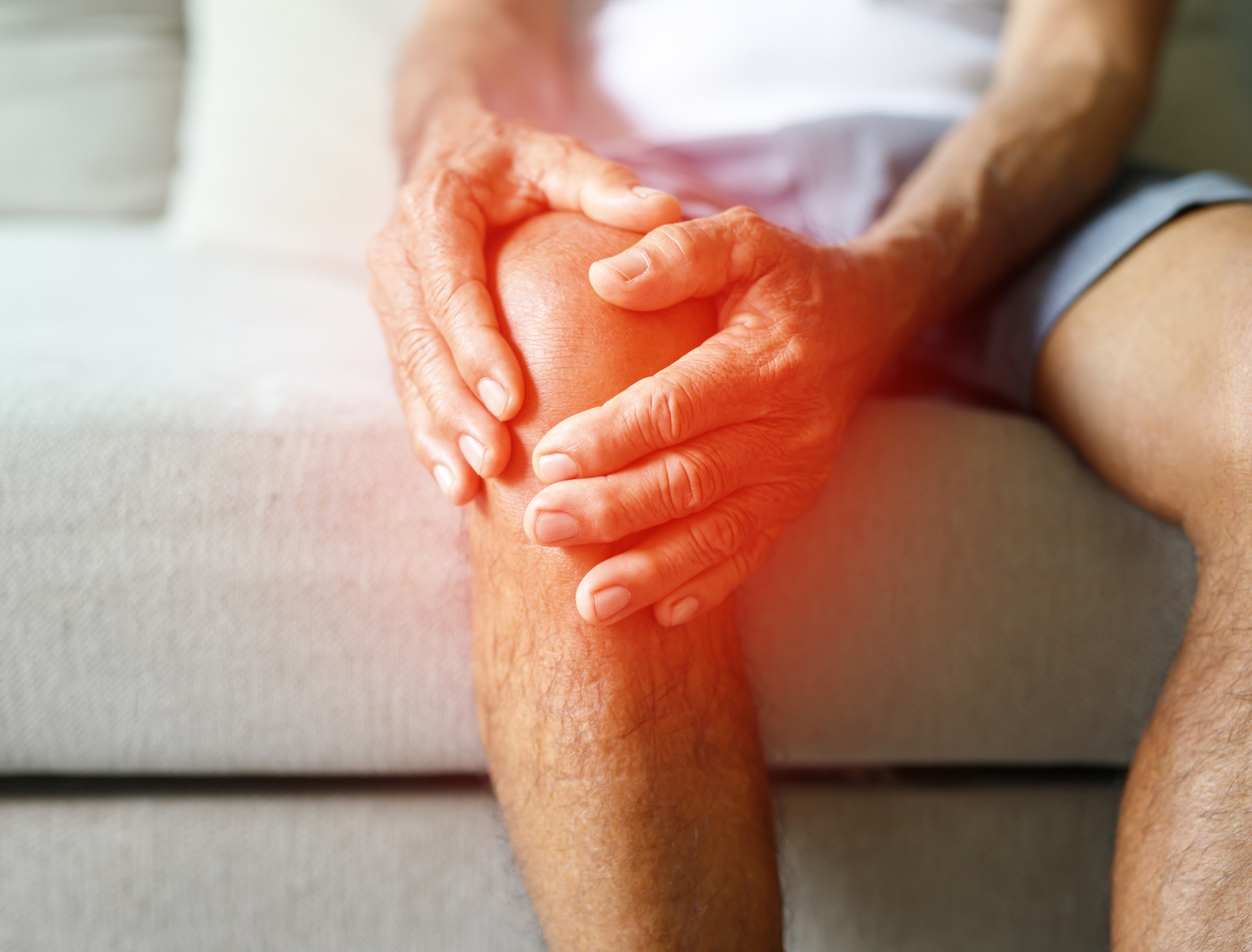
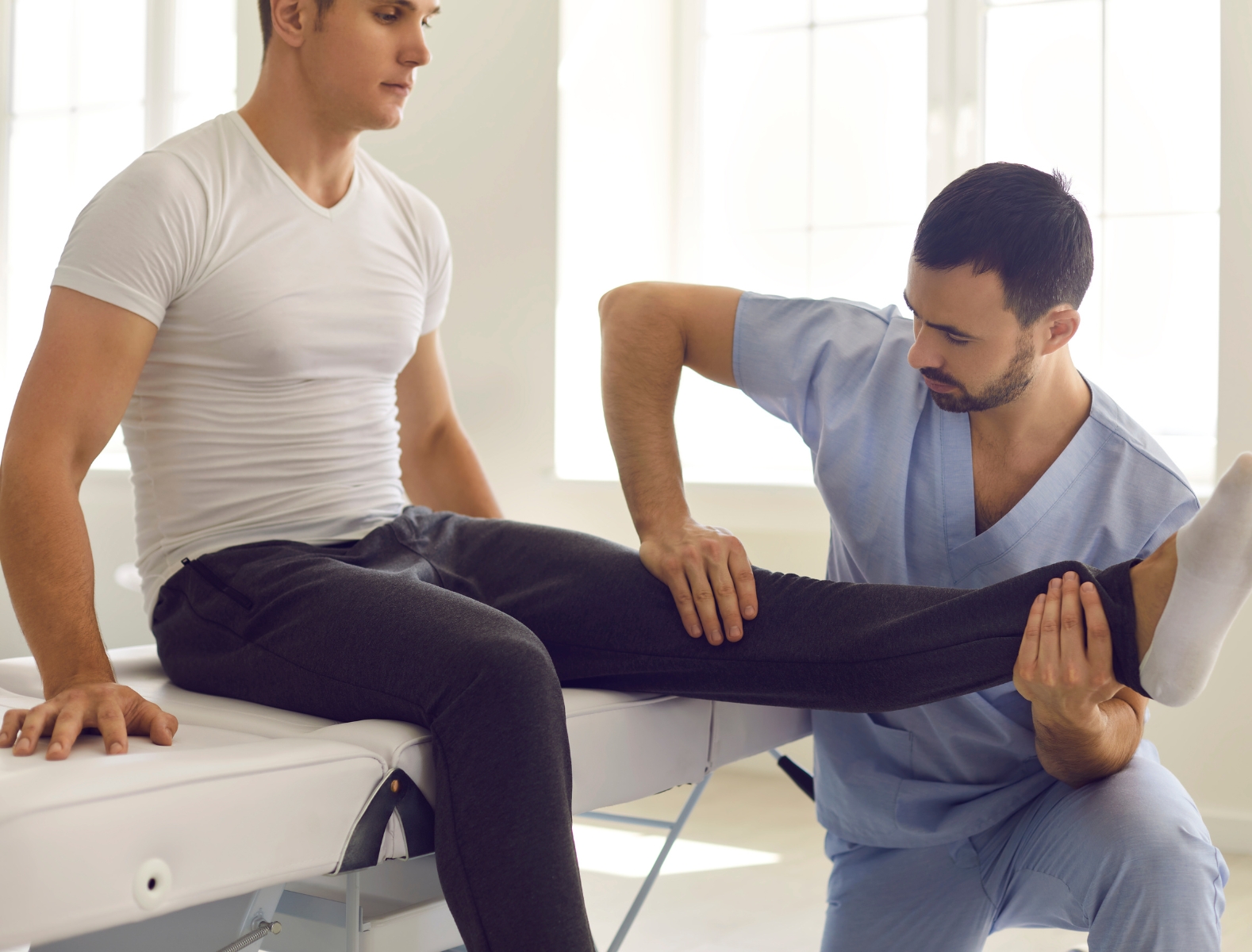
Knee pain is often caused by injury, overuse, or underlying conditions such as osteoarthritis, which is the degeneration of joint cartilage and the underlying bone. Patients typically report pain during movement, stiffness, swelling, and reduced joint flexibility. At Universal Physiotherapy & Rehabilitation Center, we provide focused treatments like strength training, ultrasound therapy, TENS, and manual mobilization to relieve discomfort. Our physiotherapists design individualized exercise plans to enhance knee stability and restore normal movement. We also educate patients on joint protection techniques and activity modification to manage pain during daily tasks. Specialized therapies like dry needling, myofascial release, and infrared therapy are used to reduce inflammation and improve tissue healing.
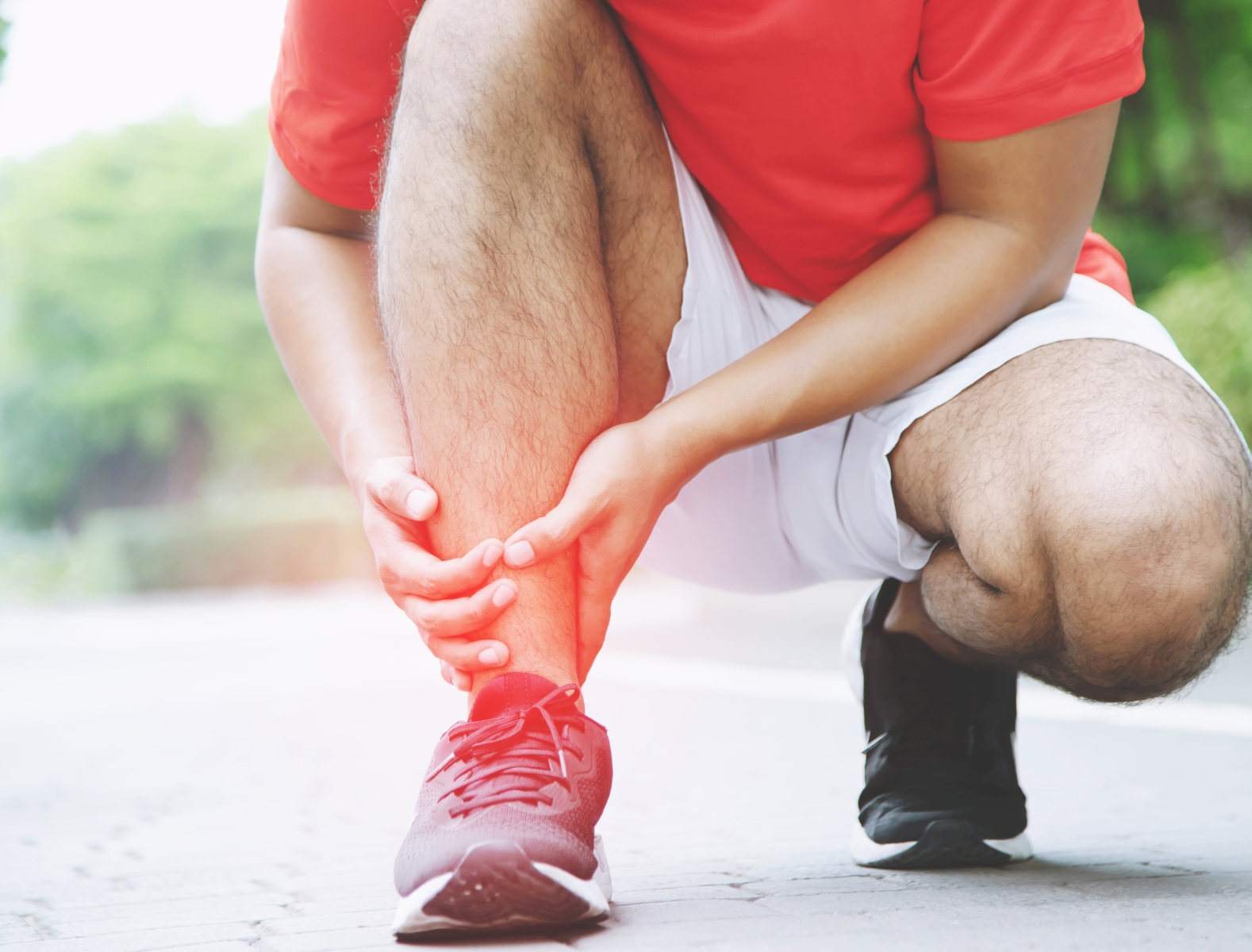
Ankle sprains and foot injuries are common, especially in athletes or individuals with an active lifestyle. These injuries can range from mild ligament stretches to complete tears, often leading to swelling, bruising, and difficulty in walking. At Universal Physiotherapy & Rehabilitation Center, we provide evidence-based treatment involving RICE protocol (Rest, Ice, Compression, Elevation) in the acute stage followed by electrotherapy, ultrasound, and balance training. Our tailored exercise programs focus on improving joint mobility, muscle strength, and proprioception to prevent further injury. For chronic or recurrent ankle issues, we offer taping, orthotic guidance, and gait correction therapy. Patients with fractures or post-surgical cases are offered progressive rehabilitation plans under close supervision. We also address biomechanical imbalances contributing to repetitive strain or instability.
Effective treatment Treatment for frozen shoulder offers significant benefits by reducing stiffness, pain, and inflammation in the joint. With the right physiotherapy and exercises, patients regain shoulder flexibility and mobility, making it easier to perform daily tasks such as lifting, reaching, or dressing. Early and consistent treatment also prevents the condition from worsening and speeds up recovery. Most importantly, managing frozen shoulder improves overall quality of life by restoring independence, comfort, and confidence in movement. Pain Reduction Helps relieve constant hip discomfort and stiffness. Joint Preservation Early treatment can slow bone damage and delay the need for surgery. Better Quality of Life Enables patients to stay active, independent, and pain-free for longer. Avoids Complications Prevents further collapse of the hip bone with timely care.
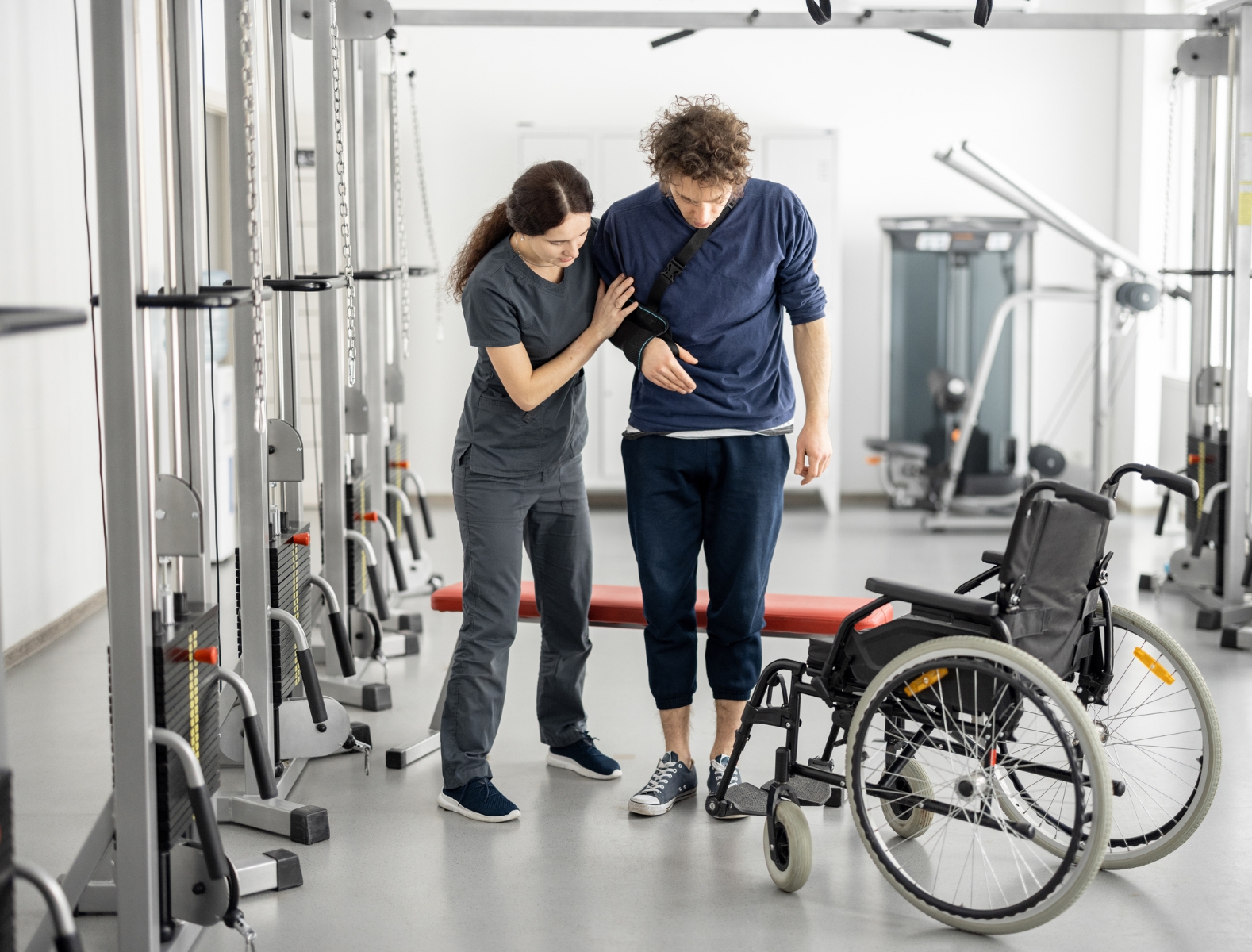
Effective treatmentPhysiotherapy for stroke or paralysis plays a vital role in recovery by helping patients regain strength, mobility, and independence. Regular therapy improves muscle control, coordination, and balance, making it easier to perform daily activities like walking, eating, or dressing. It also stimulates nerve and brain function, supporting faster rehabilitation and reducing the risk of complications such as stiffness, contractures, or secondary injuries. Most importantly, stroke physiotherapy boosts confidence, enhances overall quality of life, and helps patients return to an active and independent lifestyle. Pain & Numbness Relief Reduces tingling, burning, and discomfort in the wrist and fingers. Improved Hand Strength Restores grip and makes everyday tasks easier. Better Flexibility & Function Enhances wrist movement for smoother work and activity. Supports Daily Activities Enables comfortable use of the hand for writing, typing, and lifting.
Facial palsy, commonly known as Bell’s palsy, is a condition that causes sudden weakness or paralysis of the muscles on one side of the face. This happens due to inflammation or compression of the facial nerve, which controls facial expressions, blinking, and certain taste sensations. The exact cause is often unknown, but viral infections such as herpes simplex are thought to play a major role. People with Bell’s palsy may notice drooping of the mouth, difficulty closing the eye, loss of facial expressions, or drooling on the affected side. In most cases, the condition is temporary and improves within weeks to months with proper treatment. Early medical care, including medications like corticosteroids, physiotherapy, and facial exercises, can significantly improve recovery. Warm compresses, gentle massage, and electrical stimulation may also help in regaining muscle strength. Although Bell’s palsy can be alarming, most people recover completely with timely care and rehabilitation.
Effective treatmentPhysiotherapy for Parkinson’s disease plays a crucial role in improving movement, balance, and coordination. It helps reduce stiffness, tremors, and muscle rigidity, allowing patients to walk more confidently and safely. Regular therapy strengthens muscles, enhances flexibility, and improves posture, which lowers the risk of falls and injuries. Most importantly, physiotherapy supports independence in daily activities, boosts confidence, and enhances overall quality of life for individuals living with Parkinson’s. Pain & Stiffness Relief Reduces joint discomfort and morning stiffness. Improved Hand Strength Restores grip and makes everyday tasks easier. Better Flexibility & Function Enhances wrist movement for smoother work and activity. Supports Daily Activities Enables comfortable use of the hand for writing, typing, and lifting.
Facial palsy, commonly known as Bell’s palsy, is a condition that causes sudden weakness or paralysis of the muscles on one side of the face. This happens due to inflammation or compression of the facial nerve, which controls facial expressions, blinking, and certain taste sensations. The exact cause is often unknown, but viral infections such as herpes simplex are thought to play a major role. People with Bell’s palsy may notice drooping of the mouth, difficulty closing the eye, loss of facial expressions, or drooling on the affected side. In most cases, the condition is temporary and improves within weeks to months with proper treatment. Early medical care, including medications like corticosteroids, physiotherapy, and facial exercises, can significantly improve recovery. Warm compresses, gentle massage, and electrical stimulation may also help in regaining muscle strength. Although Bell’s palsy can be alarming, most people recover completely with timely care and rehabilitation.
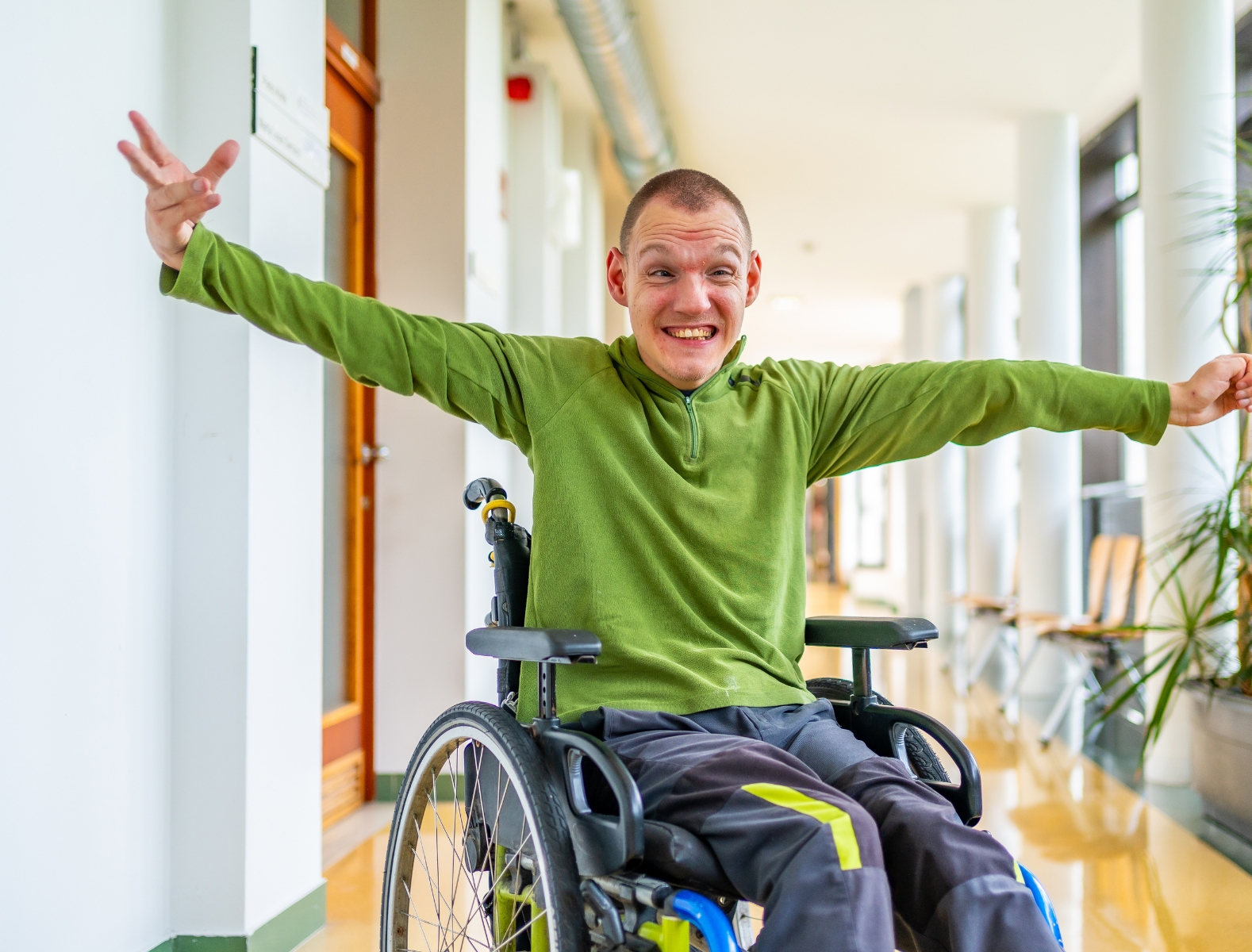
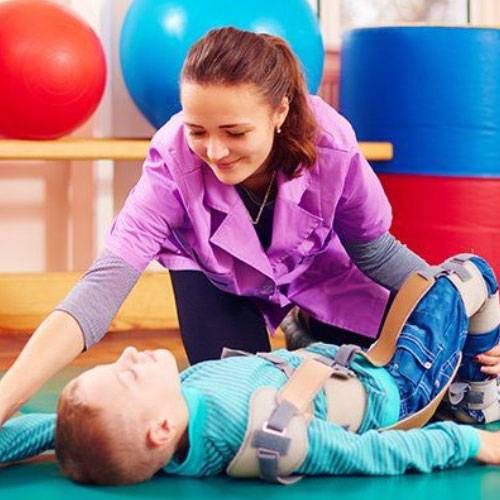
Effective treatmentPhysiotherapy for cerebral palsy plays a vital role in improving mobility, strength, and independence in children and adults affected by the condition. Through tailored exercises and therapies, it helps reduce muscle stiffness, improve posture, and enhance balance and coordination. Physiotherapy also supports better joint flexibility, prevents contractures, and encourages motor skill development, making daily activities easier to perform. Most importantly, it enhances confidence, independence, and overall quality of life, enabling individuals with cerebral palsy to reach their fullest potential. Posture & CoordinationHelps maintain proper posture and improves motor skills. Improved Hand Strength Restores grip and makes everyday tasks easier. Better Flexibility & Function Enhances wrist movement for smoother work and activity. Better Quality of Life Boosts confidence, participation, and overall well-being
Post knee replacement rehabilitation is essential for restoring mobility, strength, and function after a knee replacement surgery. The focus is to reduce pain, improve joint movement, and regain the strength needed to walk and perform daily activities independently. At Universal Physiotherapy & Rehabilitation Center, we begin rehabilitation immediately after surgery with a focus on pain relief, swelling reduction, and gentle range-of-motion exercises. Techniques such as manual therapy, ultrasound therapy, and TENS are used to enhance recovery and reduce discomfort. As the healing progresses, we introduce strengthening exercises to target the quadriceps, hamstrings, and other muscles surrounding the knee. These exercises are vital to support the knee joint and improve overall stability. Functional training is incorporated to assist the patient in performing daily activities such as climbing stairs, walking, and standing.
Effective treatmentPhysiotherapy for rheumatoid arthritis helps reduce joint pain, stiffness, and swelling, making daily activities easier and more comfortable. Through tailored exercises and gentle movement therapy, it improves flexibility, strength, and overall joint function. Regular physiotherapy also helps in maintaining posture, preventing joint deformities, and slowing the progression of disability. Most importantly, it enhances overall mobility and independence, allowing patients to stay active, manage symptoms effectively, and enjoy a better quality of life. Pain & Stiffness Relief Reduces joint discomfort and morning stiffness. Improved Hand Strength Restores grip and makes everyday tasks easier. Better Flexibility & Function Enhances wrist movement for smoother work and activity. Supports Daily Activities Enables comfortable use of the hand for writing, typing, and lifting.
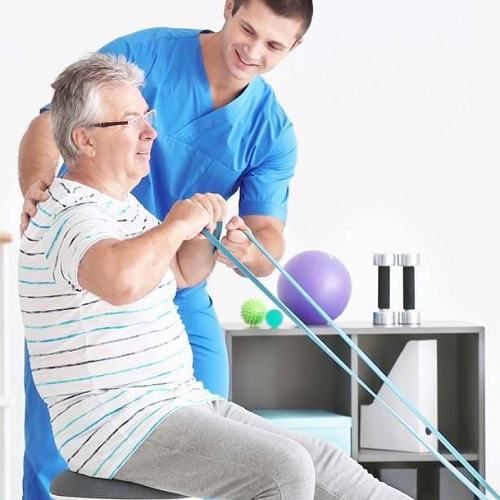
Post-surgical rehabilitation is a critical part of recovery after any surgical procedure, particularly orthopedic surgeries like joint replacements or ligament repairs. The goal of post-surgical rehabilitation is to restore mobility, strength, and function while reducing pain and preventing complications. At Universal Physiotherapy & Rehabilitation Center, we offer customized rehabilitation plans designed to meet the specific needs of the patient after surgery. Initially, the focus is on pain management, reducing swelling, and restoring range of motion through gentle mobilization and electrotherapy techniques. As the patient heals, strengthening exercises and functional training are introduced to rebuild muscle strength and improve endurance. We also use manual therapy to enhance tissue healing, improve circulation, and reduce scar tissue formation.
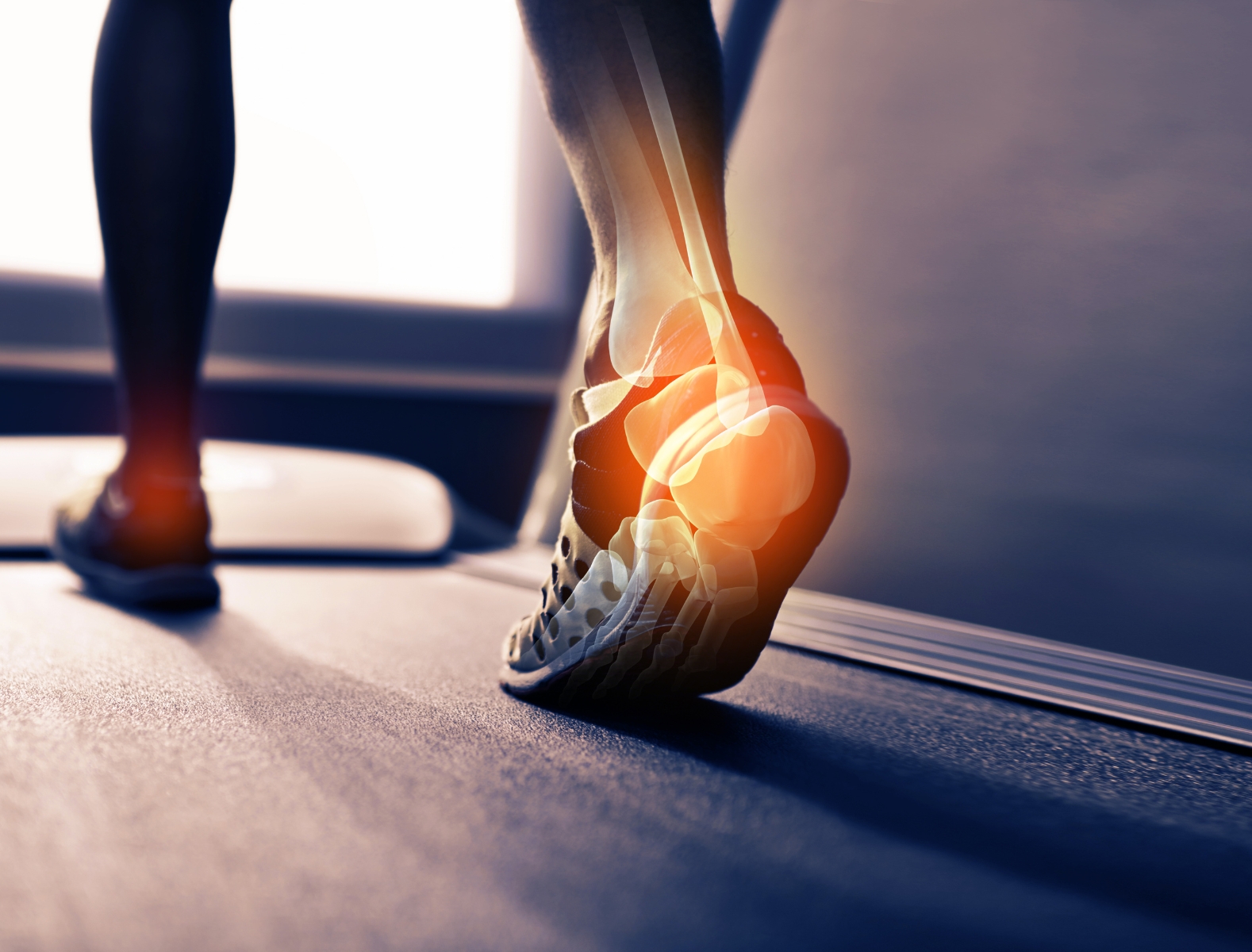
Heel pain, particularly caused by Plantar Fasciitis, is a common condition characterized by stabbing pain at the bottom of the heel, especially during the first steps in the morning. It results from inflammation of the plantar fascia—a thick band of tissue that connects the heel bone to the toes. At Universal Physiotherapy & Rehabilitation Center, we offer effective treatments including ultrasound therapy, IFT, manual therapy, stretching, and strengthening exercises targeting the calf and foot muscles. Cupping therapy and dry needling are also used to relieve muscle tension and enhance blood flow. Patients are educated on proper footwear and orthotic support to reduce strain on the heel. Our therapy also includes gait training and techniques to improve foot alignment and walking posture. For chronic or severe cases, we customize long-term rehabilitation strategies. Pain management is achieved through a combination of electrotherapy, taping, and thermal modalities.